
Resources
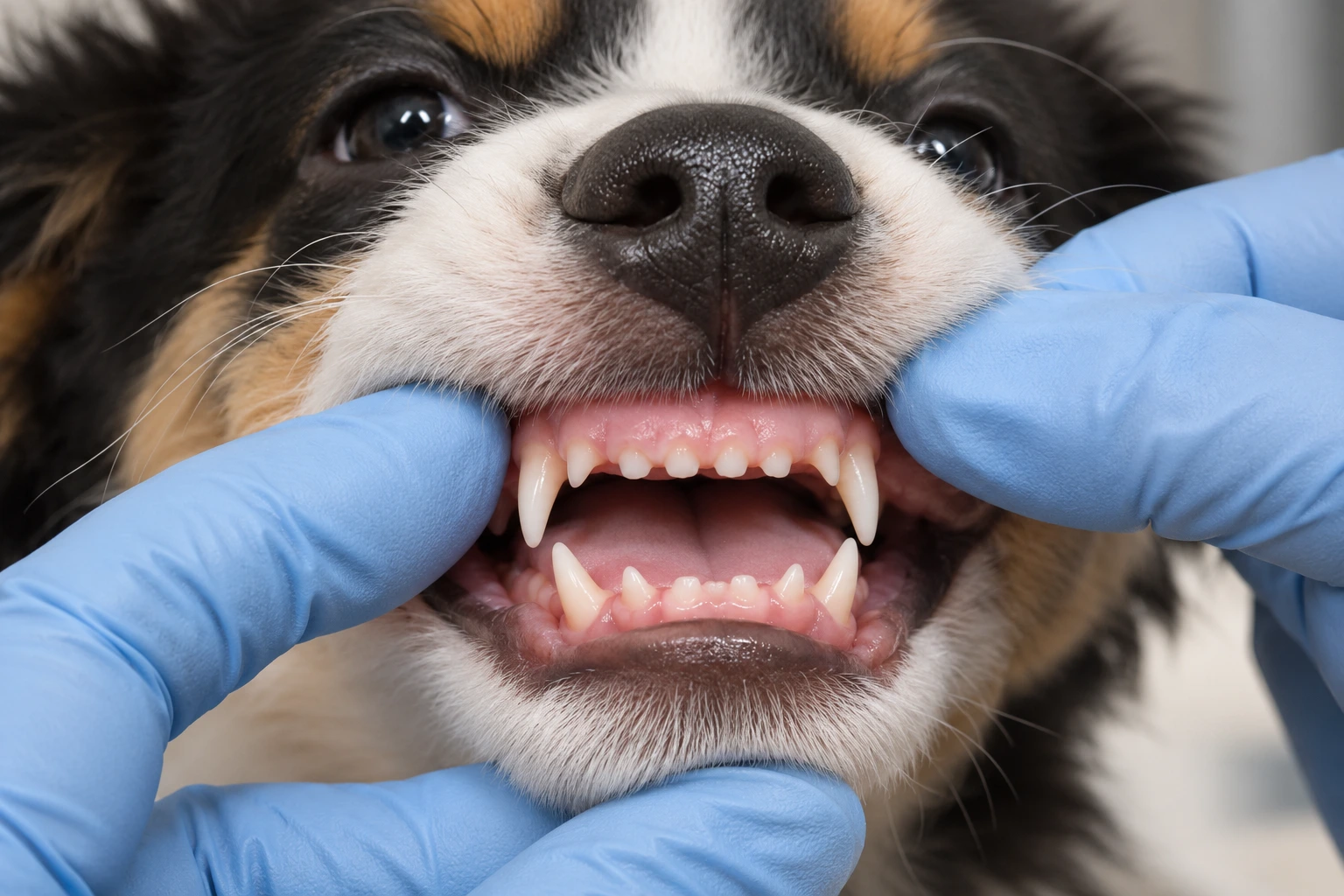
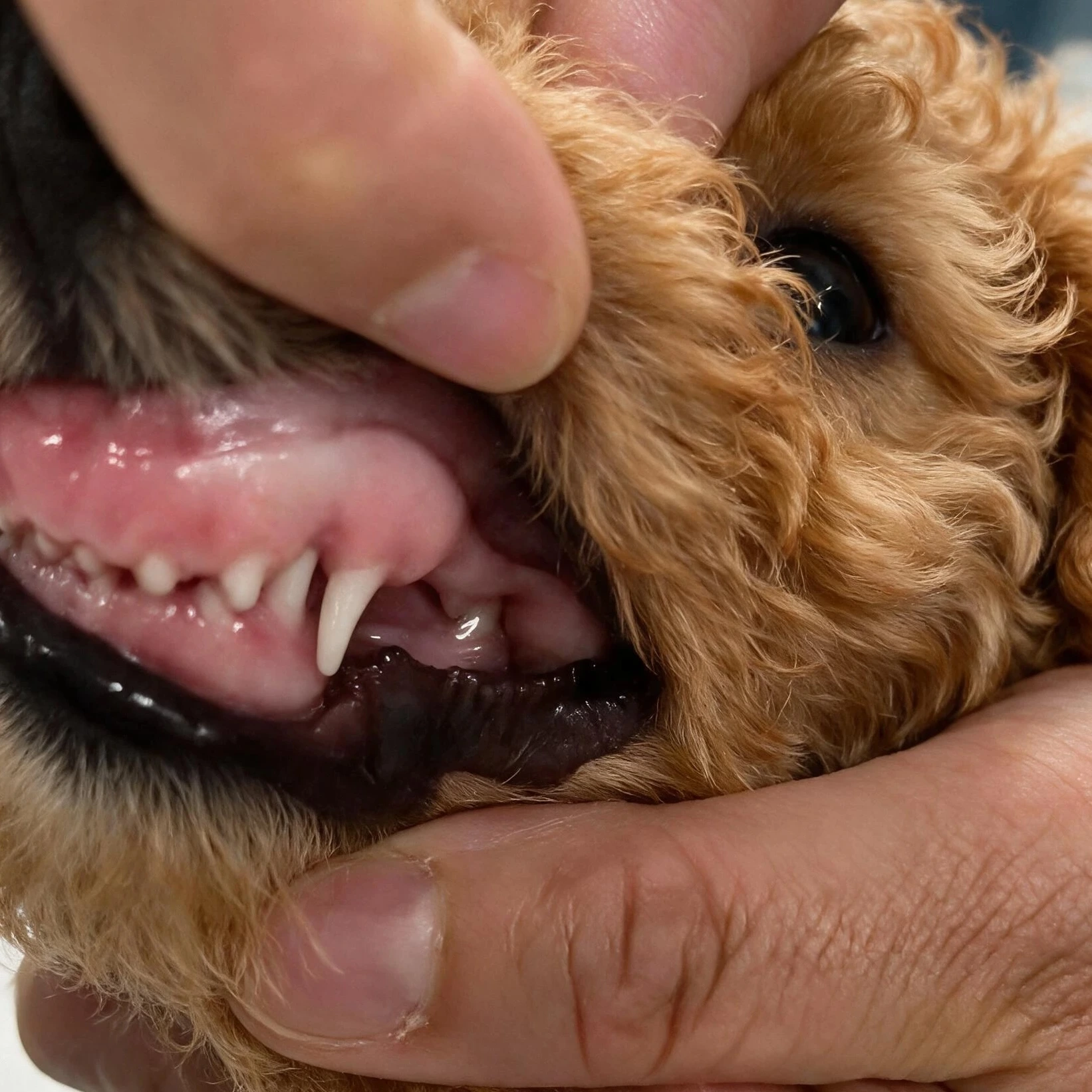
When someone asks me how many vaccinations their new puppy or kitten needs, my answer is: the timing matters more than the number. A vaccine given while antibodies from their mother are still circulating may not produce the protection we want. The aim is to vaccinate during the window when those antibodies have faded enough for the youngster’s own immune system to respond.
This guide explains the usual schedule for dogs and cats in Australia, what the common vaccine names mean, and why the plan can differ from one animal to another.
Why puppies and kittens need a series of vaccinations
Puppies and kittens receive antibodies in their mother’s first milk, called colostrum. These maternal antibodies help protect them early in life, but they gradually wear off. They can also neutralise a vaccine before the puppy’s or kitten’s immune system has a chance to respond to it.
We cannot tell just by looking at a youngster exactly when that will happen. In many animals maternal antibodies have fallen sufficiently by about 8–12 weeks, but in some they persist to 16 weeks or longer. There can also be a vulnerable period when maternal protection is too low to prevent disease but still high enough to interfere with vaccination. That is why we give core vaccines at intervals through early life. It is not a target number of injections: it is a way of getting an effective dose in after maternal antibodies have waned. The Australian Veterinary Association (AVA) and the World Small Animal Veterinary Association (WSAVA) recommend that the last dose in the initial puppy or kitten series be given at 16 weeks of age or later. In a particularly high-risk setting, a vet may extend the series to 20 weeks. [1, 2]
The usual puppy schedule
| Age | What usually happens | Why |
|---|---|---|
| 6–8 weeks | First C3 core vaccination, commonly given by the breeder or rescue organisation. | Begins protection as maternal antibodies start to decline. |
| 10–12 weeks | Next core vaccination, usually 2–4 weeks after the first. Discuss kennel cough vaccination according to exposure and boarding plans. | Some puppies will respond now; others still have interfering maternal antibodies. |
| 16 weeks or older | Final dose of the initial C3 series, with any indicated respiratory vaccine. | Catches puppies whose maternal antibodies blocked earlier doses. |
| At or after 26 weeks (about 6 months) | A follow-up core dose is recommended by WSAVA. Some practices instead use a booster around 12 months; we plan this around the vaccine used and the puppy’s risk. | Picks up the small minority who may not have responded even at 16 weeks. |
| Adult years | Annual health check. C3 core boosters are generally no more often than every 3 years once the initial course and follow-up are complete, using a vaccine with the appropriate duration of immunity. Respiratory vaccine is usually annual if indicated. | Different vaccine components have different durations of protection. |
These are examples, not rigid appointments. 8, 12 and 16 weeks is a simple example; a puppy that starts at 6 weeks may need an additional visit so the doses remain 2–4 weeks apart through 16 weeks. A puppy starting late, with an uncertain vaccination record or in an area with a parvovirus outbreak needs an individual plan. Do not assume a “10-week finish” means every puppy is fully protected; discuss the 16-week dose with your vet. [1, 2]
What do C3 and C5 mean?
C3 covers three serious viral diseases: canine distemper, canine adenovirus (hepatitis) and canine parvovirus. Modern adenovirus vaccines commonly contain adenovirus type 2, which also protects against the type 1 virus that causes infectious hepatitis. These are the core vaccines for Australian dogs. [1]
C5 is generally C3 plus protection against two causes of canine infectious respiratory disease, commonly called kennel cough: canine parainfluenza virus and Bordetella bronchiseptica. Depending on the product, the respiratory portion may be given by injection, intranasally (without a needle) or orally. The exact formulation and starting schedule vary by brand. Kennel cough is a syndrome with several possible causes, so vaccination reduces risk and severity but cannot guarantee a dog will never cough. It is especially worth discussing for dogs that board, attend daycare, mix with many dogs or visit other high-contact settings. [1]
Why is C3 sometimes three-yearly while kennel cough remains yearly? The core viral components can produce long-lasting immunity, and some Australian products support a three-year booster interval for those components. The Bordetella component of kennel cough protection is generally boosted annually under Australian product directions. A three-year C3 does not turn every part of a C5 into a three-year vaccine. We follow the label for the actual product used and review exposure each year. [1, 3]
Three-yearly C3 does not mean three years between vet visits. Your dog still needs a health check every year. If kennel cough vaccination suits their risk, we can give that at the annual visit. If it does not, the yearly examination is still a chance to catch changes in weight, teeth, mobility or general health early, and to review the prevention plan. [2]
The usual kitten schedule
| Age | What usually happens | Why |
|---|---|---|
| 6–8 weeks | First F3 core vaccination, commonly given before adoption. | Begins protection as maternal antibodies decline. |
| 10–12 weeks | Next F3, usually 2–4 weeks after the first. | Some kittens can respond now; others may still have maternal antibody interference. |
| 16 weeks or older | Final dose of the initial F3 series. | Covers kittens whose earlier doses were blocked. |
| At or after 26 weeks (about 6 months) | Follow-up core dose recommended by WSAVA; some practices use a booster around 12 months. | Reduces the chance that a kitten leaves early life unprotected. |
| Adult years | Annual health check. For a low-risk cat, F3 may be given at intervals of 3 years or longer where the product and circumstances allow. Cats with higher exposure may need feline herpesvirus and calicivirus protection yearly. | Feline panleukopenia protection lasts well; respiratory-virus protection is less complete and exposure matters. |
8, 12 and 16 weeks is one common example for kittens too. A kitten starting at 6 weeks may need an additional dose to keep the 2–4-week intervals. F3 covers feline panleukopenia (also called feline enteritis or feline parvovirus), feline herpesvirus type 1 and feline calicivirus. The latter two are important causes of cat flu. Even vaccinated cats can still develop respiratory signs, but vaccination can reduce the severity of illness. Indoor cats still need the core plan: people can carry some infectious material indoors, and an indoor-only cat may one day need boarding or veterinary care. [1, 2]
What about other vaccines?
These are not automatically part of every Australian puppy’s or kitten’s course. I look at where the animal lives, travel, contact with other animals and the vaccine’s benefits and limits.
- Leptospirosis (dogs): A serious bacterial disease that can affect people too. Risk is linked to local disease, wildlife or rodent exposure, and wet environments, including floodwater. It is a risk-based decision in Australia, including in South East Queensland. If indicated, the primary course generally needs two doses 2–4 weeks apart, then annual boosters. A C5 does not include leptospirosis. [1, 2, 4]
- Feline leukaemia virus (FeLV): Consider for kittens and cats with possible contact with infected cats, especially unsupervised outdoor access or a relevant multi-cat household. Test for FeLV before vaccination; it does not replace keeping cats safely contained. In some regions with substantial FeLV prevalence, WSAVA classifies it as core for young cats. In Australia I decide it by individual risk. [1, 2]
- Feline immunodeficiency virus (FIV): Consider only for cats at meaningful risk of fights and bite wounds. Keeping cats safely contained and reducing fighting are central to prevention. Discuss testing and the vaccine’s limitations before choosing it. [1, 2]
- Chlamydia felis (cats): Usually reserved for particular multi-cat settings or a confirmed problem, rather than a routine pet-kitten vaccination. [1, 2]
- Rabies (dogs and cats): Australia remains free of classical rabies, so rabies vaccine is not a routine domestic pet vaccine here. It may be required for international travel, with export and return-to-Australia rules that need planning well ahead. Australian bat lyssavirus is a separate concern; keep pets away from bats and seek immediate advice after any contact. [5, 6, 8]
When can they meet other animals — and why start early?
The answer is not to keep them isolated until their final vaccination. Puppies and kittens have a sensitive socialisation period when they are especially open to learning that new people, animals, sounds and places are safe. The AVA places this at roughly 3–14 weeks for puppies and from about 2 weeks to 7–10 weeks for kittens. These are approximate windows, not a switch that suddenly turns off. Much of a kitten’s most receptive period happens with the breeder or rescue carer, so ask what gentle handling and positive experiences they have already had. Continue those experiences when they come home. [7]
Early experiences can influence behaviour for years. A puppy who has had little safe exposure to people, other dogs and ordinary neighbourhood life may later find walks, visitors or close living around other dogs much harder. A frightening encounter can also leave a lasting association. Behaviour can still improve with careful help later, but prevention during this receptive period is far easier than trying to change established fear. Socialisation means calm, positive experiences, not forcing a puppy or kitten to greet everyone. Let them watch from a comfortable distance, reward curiosity, and stop or move away if they are worried. [7, 9]
Before the vaccine course is complete, choose low-risk introductions: healthy, vaccinated animals you know, clean private homes, and well-run puppy classes that accept age-appropriate vaccination. For kittens, practise gentle handling, household sounds, play and relaxed time around different people; introduce other cats slowly. Avoid dog parks and places heavily used by dogs of unknown vaccination status. For higher-risk public places, wait until your vet confirms the course is complete and allow about 1–2 weeks after the final dose for the immune response. Your local disease risk matters. [2, 7]
Can a blood test show whether the vaccine worked?
In some circumstances, an antibody test from 20 weeks of age can help confirm a response to the three C3 viruses in dogs or to feline panleukopenia in cats. It is less useful for deciding protection against feline herpesvirus, calicivirus or kennel cough. We can discuss it if the vaccination history is uncertain, a previous reaction is a concern, or you want to review an adult core booster. It does not replace a risk assessment. [1, 2]
The practical takeaway
Bring me the breeder or rescue vaccination record, including dates and product names. I can then work out which dose is due by age and interval, discuss any extra vaccines that fit your pet’s life, and set the next reminder. The annual visit remains useful even in a year when a three-year core booster is not due.
If you would like this worked through at home, book a visit with Personalised Mobile Vet. You can also learn more about how I work.
Take the next steps home with you
The vaccine schedule is one part of your new pet’s first year. I have put together a separate care checklist and calendar for each species, so you can see what is due and tick things off as you go.
- New puppy: Download the puppy care checklist (PDF) · Open the puppy first-year calendar to enter a date of birth and see the dates · Download the printable puppy planner (PDF).
- New kitten: Download the kitten care checklist (PDF) · Open the kitten first-year calendar to enter a date of birth and see the dates · Dowvnload the printable kitten planner (PDF).
References
- WSAVA Guidelines for the Vaccination of Dogs and Cats, 2024.
- Australian Veterinary Association: Vaccination of dogs and cats.
- APVMA approved Vanguard C4 label (extended core schedules) and Vanguard CCi label (annual Bordetella booster). Product labels differ; check the one used for your pet.
- University of Queensland: Leptospirosis risk after flooding.
- Australian Government: Preparing companion animals for export, including rabies vaccination.
- Australian Government: Rabies vaccination and tests for cats and dogs coming to Australia.
- Australian Veterinary Association: Puppy and kitten socialisation and habituation.
- Australian Government: Rabies virus and Australian bat lyssavirus in Australia.
- Puurunen et al., Scientific Reports (2020): Inadequate socialisation, inactivity and urban living environment are associated with social fearfulness in pet dogs.